Dental implants offer a permanent answer for missing teeth, but the high price tag often pushes people toward cheaper options. Scrolling through online deals, a person might spot an offer that seems too good to pass up. That low cost sparks an immediate question about safety, quality, and long-term results.
This information cuts through the confusion to examine the real risks and rewards connected to the cheapest dental implants in Abu Dhabi.
What defines a cheap dental implant?
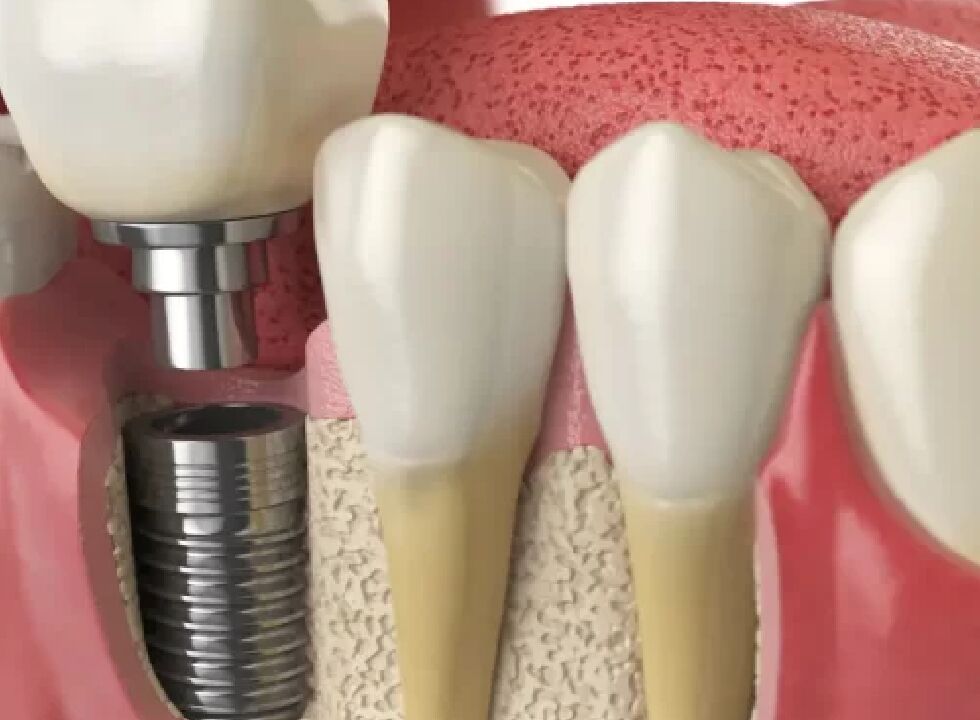
A dental implant includes the post, the abutment, and the crown placed on top. The final cost covers the materials, the surgeon’s skill, the lab work, and the clinic’s overhead. An extremely low price usually means a corner got cut somewhere in that chain. The post might use a lower-grade titanium alloy, or the crown could be made from a less durable material.
The safety concerns with low-cost options:
Safety starts with the surgical environment and the sterilization process. A clinic offering rock-bottom prices might reuse tools or skip proper cleaning protocols to save money. This practice raises the risk of infection at the implant site. The bone fusion process, called osseointegration, fails when the implant material does not match the body’s needs.
The importance of the surgeon’s expertise:
An implant procedure relies heavily on the dentist’s training and experience. A cheaper price often means a less experienced dentist performs the surgery. Inaccurate placement can damage nearby nerves, leading to numbness or chronic pain in the face and gums. Poor angulation of the post makes it difficult to attach a natural-looking crown.
Hidden costs that appear later:
The initial low price does not always include the abutment or the custom-made crown. Some packages exclude the temporary tooth needed during the healing period. Additional charges for bone grafting or sinus lifts quickly add up if the jawbone lacks sufficient density. A person might pay for the post and then discover the crown costs twice as much as the surgery itself.
The long-term failure rate:
Research shows that cheaper implants have a higher failure rate within the first five years. Loose posts, fractured crowns, and recurring infections force patients to seek corrective procedures. Replacing a failed implant costs significantly beyond the initial surgery. The gum tissue can recede around a poorly fitted crown, creating an unsightly gap. The bone continues to deteriorate after implant failure, making a second attempt more complicated and expensive.
More Stories
The Surprising Ways Nursery Schools Boost Social Intelligence
How To Negotiate The Best Contract With Your Corporate Pantry Vendor
Tips To Get Early Access To New Projects Before Public Launches